
Economic calendars show scheduled releases of government and institutional data that move markets. Understanding them is essential for any trader — whether you trade crypto, forex, commodities, or indices.
The Big Three: CPI, NFP, and PMI
CPI (Consumer Price Index) measures inflation. Released monthly by the Bureau of Labor Statistics. If CPI comes in higher than expected, it signals rising inflation, which typically means the Fed keeps interest rates high — bearish for risk assets like crypto and growth stocks, bullish for the dollar.
NFP (Non-Farm Payrolls) measures job creation. Released the first Friday of each month. Strong NFP (200K+ jobs) = healthy economy but potentially higher rates. Weak NFP = economic slowdown but potentially rate cuts ahead.
PMI (Purchasing Managers Index) measures business activity. Above 50 = economy expanding. Below 50 = contracting. ISM Manufacturing PMI is the most watched.
Forecast vs Actual — The Only Thing That Matters
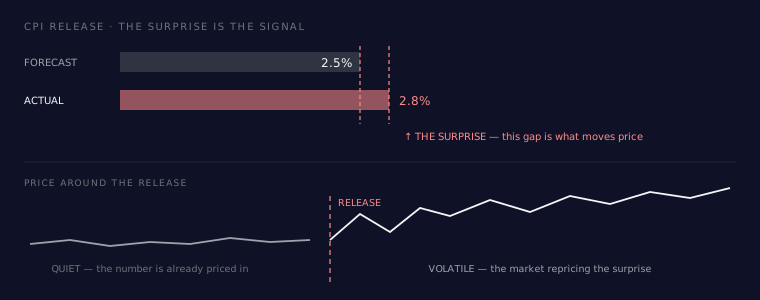
Markets don't move on the number itself. They move on the surprise — the difference between what was expected (forecast) and what actually happened (actual).
- CPI forecast 2.5%, actual 2.8% = hawkish surprise = dollar up, stocks down
- NFP forecast 200K, actual 150K = dovish surprise = dollar down, gold up
- PMI forecast 52, actual 48 = contraction shock = risk-off
High, Medium, Low Impact
Economic calendars rate events by expected market impact:
- High impact (red) — CPI, NFP, Fed rate decisions, GDP. These move markets significantly.
- Medium impact (orange) — PMI, jobless claims, retail sales. Meaningful but usually smaller moves.
- Low impact (yellow) — minor reports, speeches without policy implications.
Focus your attention on high-impact events. Plan your trades around them — either position before the release or wait for the dust to settle.
How AiTradely Makes This Easier
AiTradely's economic calendar includes AI commentary on every event — explaining what the number means, which assets are affected, and whether the result is bullish or bearish. Instead of Googling "what does CPI 2.8% mean for Bitcoin", you see the AI analysis right next to the event.